The group had everything it needed to work. The people were well-meaning, the proposal made sense, the timing was right. You went in with hope. Three weeks later you knew — without being able to articulate it yet, but you knew — that something was fundamentally wrong. And you started to wonder if the problem was you.
At the family dinner, she was one person. At home, another. With friends, a third. You were left not knowing which version was the real one — and whether any of them was pretending.
You felt the environment without anyone having said anything. One time, what you felt changed the group. Another time, you left as if the environment had turned into you. Both were the same apparatus.
You remember making the comment — maybe not as a criticism, but as an observation. She went quiet. Today, as an adult, she spends hours hiding that she still changes in every place she walks into.
You watched the deliberation drag on. Weighing, going back, weighing again — always in the same place, always with the same people. And when she traveled, she came back decided.
You walk into a place and you change. You meet certain people and you seem like another version of yourself. And, after a while, you don't even know anymore what was really yours.
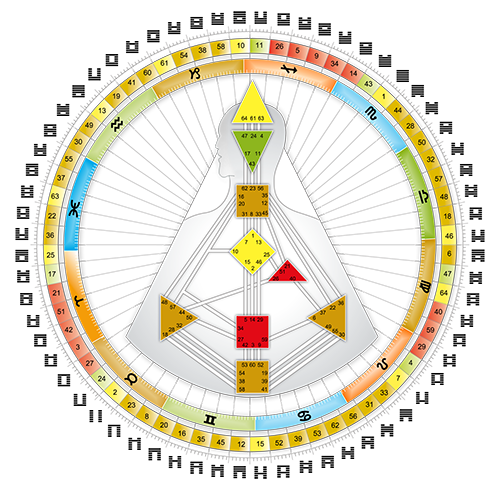
It takes less than 1 minute: your Human Design chart shows, in your own chart, why you function the way you function. It is free — and it stays saved so you can come back whenever you want.